

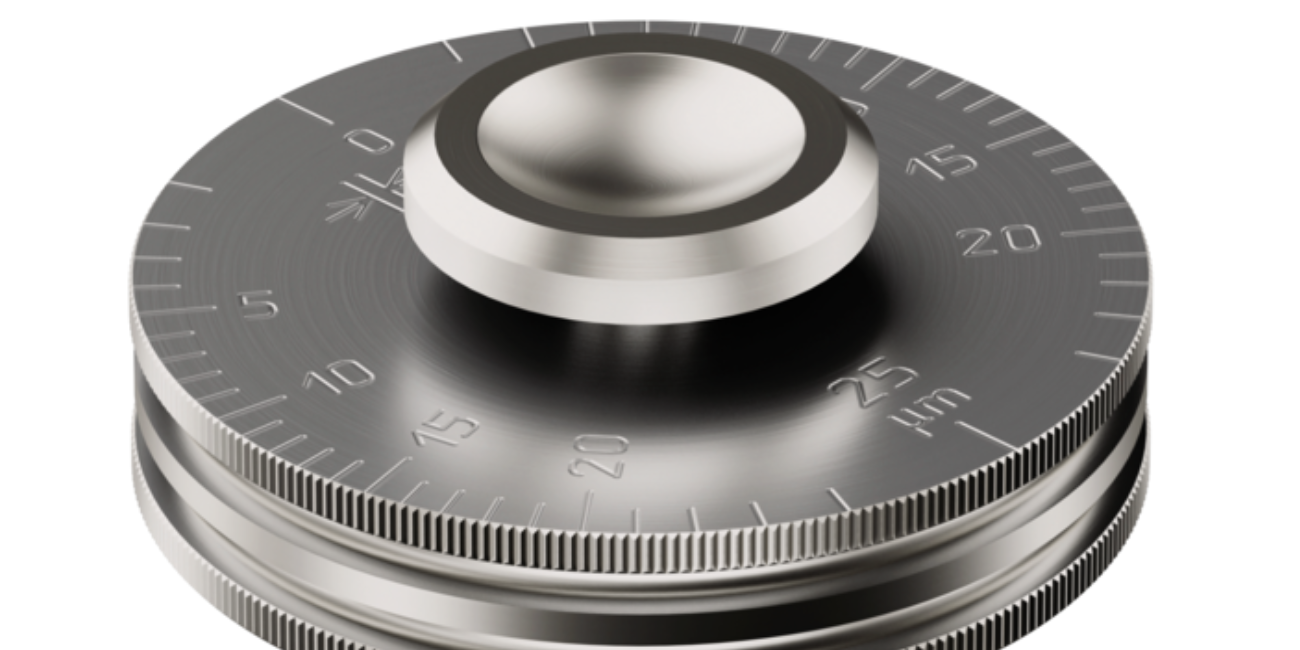
Proceq ZWW 2100–2104 – Wet Film Thickness Wheels
Home / Products / Wet Film Thickness Gauges / Proceq ZWW 2100–2104 Wet Film Thickness Wheels
Proceq ZWW 2100–2104 – Wet Film Thickness Wheels
Category: Wet Film Thickness Gauges
Manufacturer: Proceq / Zehntner
Article numbers: 43030200–43030204 / ZWW 2100–2104
Application:
The Proceq ZWW 2100–2104 wet film thickness wheels are used to determine wet-film thickness immediately after application. They are suitable for paints, varnishes, coatings and similar materials and can be used in laboratories, quality assurance, incoming-goods inspection and production.
Check wet-film thickness directly after application
Wet-film thickness measurement allows the applied film to be evaluated before the coating dries or cures. Deviations can therefore be detected at an early stage, helping to control process parameters, material consumption and the expected dry-film thickness.
- Fast measurement directly on the freshly applied coating
- Simple mechanical measuring principle without a power supply
- Five measuring ranges from 0–25 to 0–500 µm
- Graduated resolutions to suit each measuring range
- Compact and robust design for laboratories and production
- Immediate process control after application
Measuring principle
The wet film thickness wheel has three circumferential rings. The two outer rings form the reference surfaces, while the center measuring ring is eccentric. As the wheel is rolled through the fresh film, the point at which the center ring is just wetted or is no longer wetted is determined. This transition indicates the wet-film thickness.
Typical applications
- Quality control of freshly applied coatings
- Monitoring coating and painting processes
- Controlling material application in production
- Comparative measurements in research and development
- Incoming-goods and process inspections
- Estimating the subsequent dry-film thickness
Suitable coating materials
- Paints and varnishes
- Primers
- Liquid coating materials
- Adhesives
- Resins and similar materials
- Other freshly applied films that are still sufficiently fluid
Note: Measurement must be performed immediately after application while the coating is still sufficiently fluid.
Operation
- Select a measuring range suitable for the expected wet-film thickness.
- Measure the coating immediately after application.
- Place the wet film thickness wheel vertically on the coated surface.
- Roll the wheel through the fresh film with a smooth, uniform movement.
- Lift the wheel from the surface.
- Identify the wetted and unwetted scale areas on the center ring.
- Read the wet-film thickness at the transition point.
- Clean the wheel carefully immediately after measurement.
Notes for reproducible measurements
- Perform the measurement immediately after film application
- Hold the wheel vertically without applying additional pressure
- Use a sufficiently flat measuring surface
- Take several measurements at different positions
- Do not use the measuring point for subsequent surface tests
- Remove all coating residue after each measurement
Proceq ZWW 2100–2104 wet film thickness wheel versions
The five versions differ in measuring range and scale resolution. For the most precise reading, the measuring range should be selected as closely as possible to the expected wet-film thickness.
- 43030200 / ZWW 2100.25: measuring range 0–25 µm, resolution 1 µm
- 43030201 / ZWW 2101.50: measuring range 0–50 µm, resolution 2 µm
- 43030202 / ZWW 2102.125: measuring range 0–125 µm, resolution 5 µm
- 43030203 / ZWW 2103.250: measuring range 0–250 µm, resolution 10 µm
- 43030204 / ZWW 2104.500: measuring range 0–500 µm, resolution 20 µm
Selecting the appropriate measuring range
The appropriate version depends on the expected wet-film thickness and the required reading resolution.
- Expected wet-film thickness: the measuring range must fully cover the anticipated value
- Resolution: select the smallest suitable range for thin films
- Application process: consider the typical material application of the process
- Material: flow behavior and viscosity influence measurement suitability
- Process variation: allow sufficient reserve above the target value
Wet- and dry-film thickness
The measured wet-film thickness can be used to estimate the subsequent dry-film thickness. Factors such as solids content, evaporation behavior and possible changes in coating volume must be taken into account.