
Crockmeters / Rubbing Testers

Practical testing of colorfastness to rubbing and abrasion
You are here:

Rubbing and Crocking Tests

Crockmeters and rubbing testers are used to assess the colorfastness to rubbing of coatings, paints, printing inks, textiles and other surfaces. The test determines the extent to which a material transfers color, changes in gloss or suffers mechanical damage under defined dry or wet rubbing conditions.

Automatic rubbing testers allow stroke length, speed, cycle count and test force to be set reproducibly. Different friction fingers, weights and rubbing materials enable the system to be adapted to various standards, specimens and surface geometries.

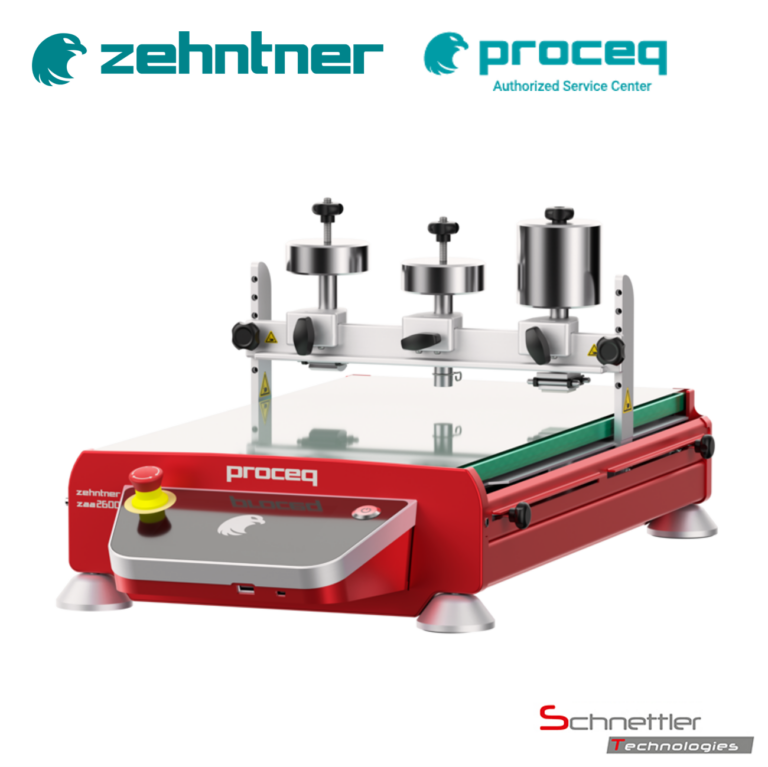
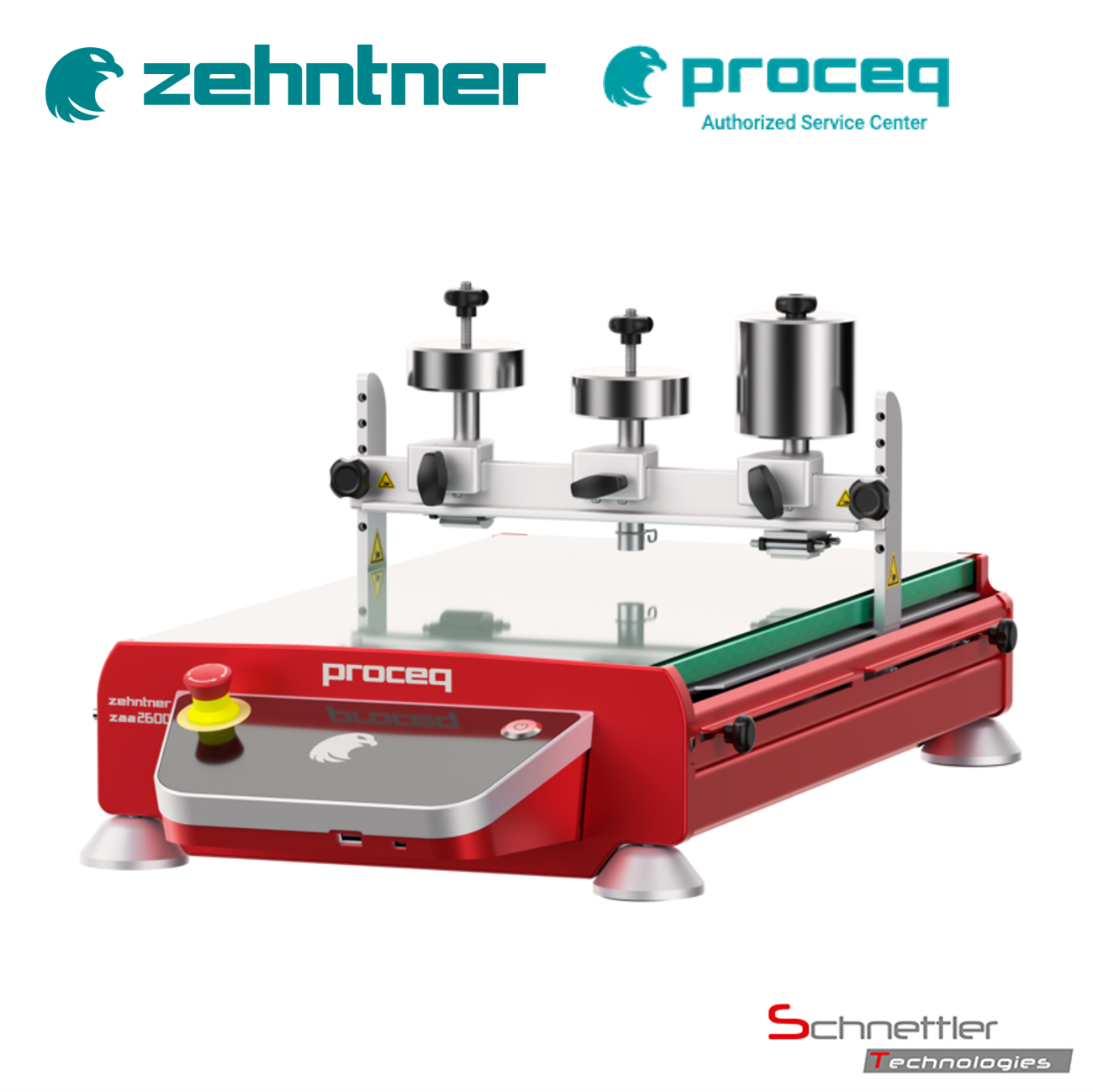
The automatic ZAA 2600.C Crockmeter supports up to four parallel rubbing tests, depending on the test configuration, and allows recurring test profiles to be stored.
Products

What are Crockmeters and rubbing testers used for?

  • Testing colorfastness to rubbing under dry or wet conditions
  • Assessment of color transfer, surface changes and loss of gloss
  • Testing coatings, printing inks, paints and textile surfaces
  • Quality control and incoming-goods inspection
  • Comparative testing following changes in formulation, process or supplier
  • Development and optimization of new coating and material systems
  • Testing flat and curved specimens

Benefits at a glance

  • Reproducible: defined stroke length, speed, cycle count and test force
  • Flexible: different friction fingers for flat and curved specimens
  • Configurable to standards: accessories for different international test procedures
  • Efficient: storable test profiles for recurring test series
  • Parallel testing: up to four test tracks, depending on the configuration
  • Modular: ZAA 2600 platform expandable for additional test procedures

Friction finger sets for different testing tasks

Three friction finger sets are available for different standards and specimen geometries. The required test force is generated by combining the friction finger, holder and appropriate weight.

Friction Finger Set A

Contact area:
22 × 22 mm

Specimens:
flat surfaces

Standard:
EN ISO 21546

Test force:
9 N with the appropriate configuration

Article number:
43010930 / ACC1315

Friction Finger Set B

Friction finger:
Ø 16 mm

Specimens:
flat surfaces

Standards:

  • EN ISO 21546
  • AATCC Test Method 8
  • DIN EN 13523-11
  • EN ISO 105-X12
  • Volkswagen PV 3906
  • based on ASTM F1319

Test force:
9 N with the appropriate configuration

Article number:
43010932 / ACC1344

Friction Finger Set C

Specimens:
curved surfaces

Standards:

  • EN ISO 21546
  • BMW AA-0134

Test force:
22 N with the appropriate configuration

Article number:
43010933 / ACC1345

Note: The specified test force is achieved only with the designated friction finger, holder and corresponding weight combination.

Test weights and rubbing materials

  • 43010934 / ACC1346: weight for a test force of 9 N
  • 43010935 / ACC1347: weight for a test force of 22 N
  • 43010953 / ACC1482: additional weight, 50 g
  • 43010954 / ACC1484: additional weight, 100 g
  • 43010955 / ACC1486: additional weight, 500 g
  • Rubbing cloth: for example cotton cloth as specified by the test procedure
  • Compensating and cushioning materials: depending on the standard and test configuration

Flat or curved specimens?

  • Flat specimens: fixed on the glass plate or specimen surface
  • Friction Finger Set A: square contact area for flat specimens
  • Friction Finger Set B: round friction finger with a diameter of 16 mm for flat specimens
  • Curved specimens: fixed using suitable clamps or holders
  • Friction Finger Set C: designed for appropriately curved specimens

ZAA 2600.C – Automatic Crockmeter

The 43010102 / ZAA 2600.C is an automatic linear-stroke instrument with touchscreen control and freely adjustable test parameters. Recurring test sequences can be stored as profiles and recalled when required.

  • stroke length from 1 to 393 mm
  • stroke speed from 1 to 600 mm/s
  • up to 100 double strokes per minute, depending on the test configuration
  • up to four parallel rubbing tests
  • storable test profiles for stroke length, speed and cycle count
  • quick changes between friction finger sets
VIEW ZAA 2600.C

Typical rubbing-test procedure

  1. Determine the applicable standard or test procedure.
  2. Select Friction Finger Set A, B or C according to the specimen geometry.
  3. Prepare the appropriate rubbing material and required weight combination.
  4. Securely fix the specimen on the test surface or in the designated holder.
  5. Attach the rubbing material to the friction finger.
  6. Install the friction tool and weights.
  7. Set the stroke length, speed and cycle count or select a stored test profile.
  8. Start the rubbing test.
  9. Evaluate and document the specimen and rubbing material in accordance with the test procedure.

Selecting the appropriate test system

The main selection criteria are the applicable standard, specimen geometry, required test force, rubbing material and whether the test will be performed under dry or wet conditions.

  • Flat specimens: Friction Finger Set A or B
  • Curved specimens: Friction Finger Set C
  • 9 N test force: appropriate configuration with 43010934 / ACC1346
  • 22 N test force: appropriate configuration with 43010935 / ACC1347
  • Additional load: weights of 50 g, 100 g or 500 g
  • Series testing: automatic Crockmeter with storable test profiles
  • Dry or wet testing: prepare the rubbing material according to the test procedure

Selection note: Tell us the specimen, surface geometry, required test force and applicable standard. We will recommend the appropriate combination of Crockmeter, friction finger set, rubbing material and weights.