Film Applicators / Automatic Film Drawdown Applicators

Reproducible film drawdowns for laboratories, quality assurance and research
You are here:

Automatic Film Application

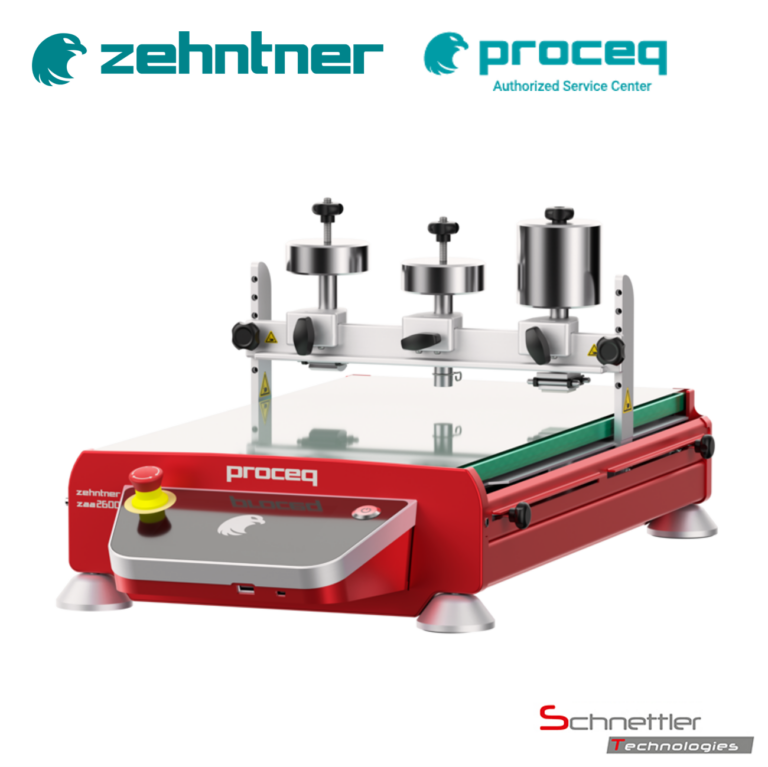
Automatic film applicators and film drawdown applicators are used to prepare uniform test films under controlled and reproducible conditions. They enable paints, varnishes, coating materials, adhesives and other liquid or pasty products to be applied to different substrates with defined parameters.

Unlike manual film application, an automatic film applicator moves the selected applicator over a defined distance at a constant speed. This reduces variations caused by different drawdown speeds, acceleration and uneven operator movement.

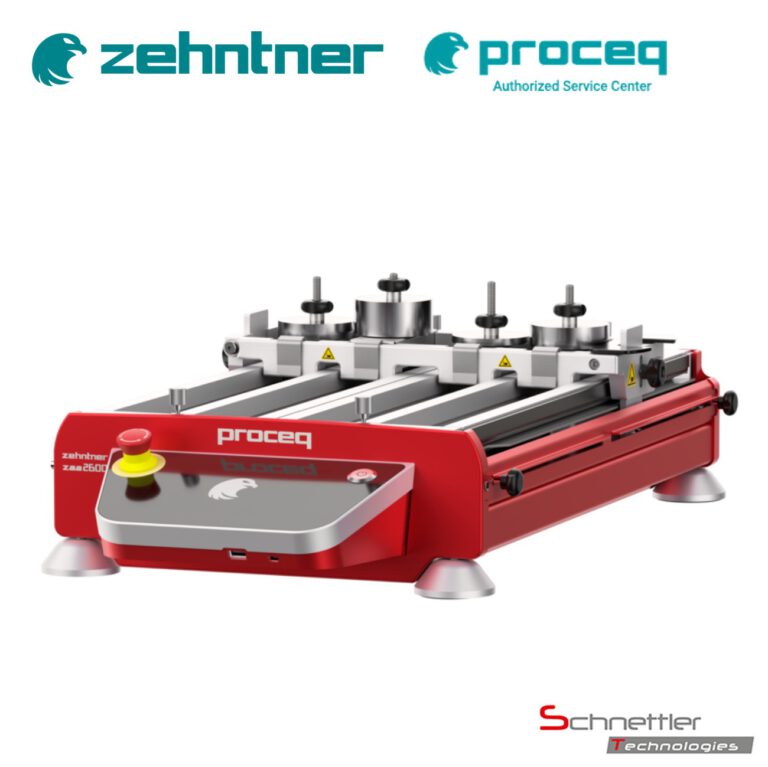
Different applicators, drawdown bars and frames are available for the film drawdown. These include universal applicators, four-sided film applicators, profile rods and wire-wound film applicator rods.
Products

What are automatic film applicators used for?

  • Preparation of uniform and reproducible test films
  • Development and quality control of paints, varnishes and coatings
  • Application of adhesives and functional layers
  • Formulation, material and process comparisons
  • Coating paper, cardboard, film, metal, plastic and glass
  • Preparation of defined specimens for subsequent material testing

Benefits of automatic film applicators

  • Reproducible: constant drawdown speed and defined application distance
  • Comparable: uniform film surfaces as a basis for valid test results
  • Flexible: different applicators, speeds and base plates
  • Efficient: suitable for routine tests and extensive comparative test series
  • Versatile: solutions for standard applications, vacuum fixation and heated application
  • Operator-independent: reduced influence of manual variations on the test result

Automatic film applicator and drawdown tool

The automatic film applicator provides the controlled movement. The selected drawdown tool determines factors including gap height, film width and application geometry.

  • ZUA 2000 universal applicators: adjustable gap height and film widths from 60 to 220 mm
  • ZAF 2010 four-sided film applicators: four fixed gap heights in one applicator
  • ACC378 profile rods: numerous fixed profile sizes for reproducible film drawdowns
  • ACC586 wire-wound film applicator rods: nominal wet-film thicknesses from 25 to 250 µm

Base plates and substrate fixation

  • Glass plate: flat and rigid surface for numerous standard applications
  • Rubber-coated fabric plate: slightly resilient surface for suitable applicators and substrates
  • Vacuum plate: secure fixation of thin, flexible or sensitive substrates
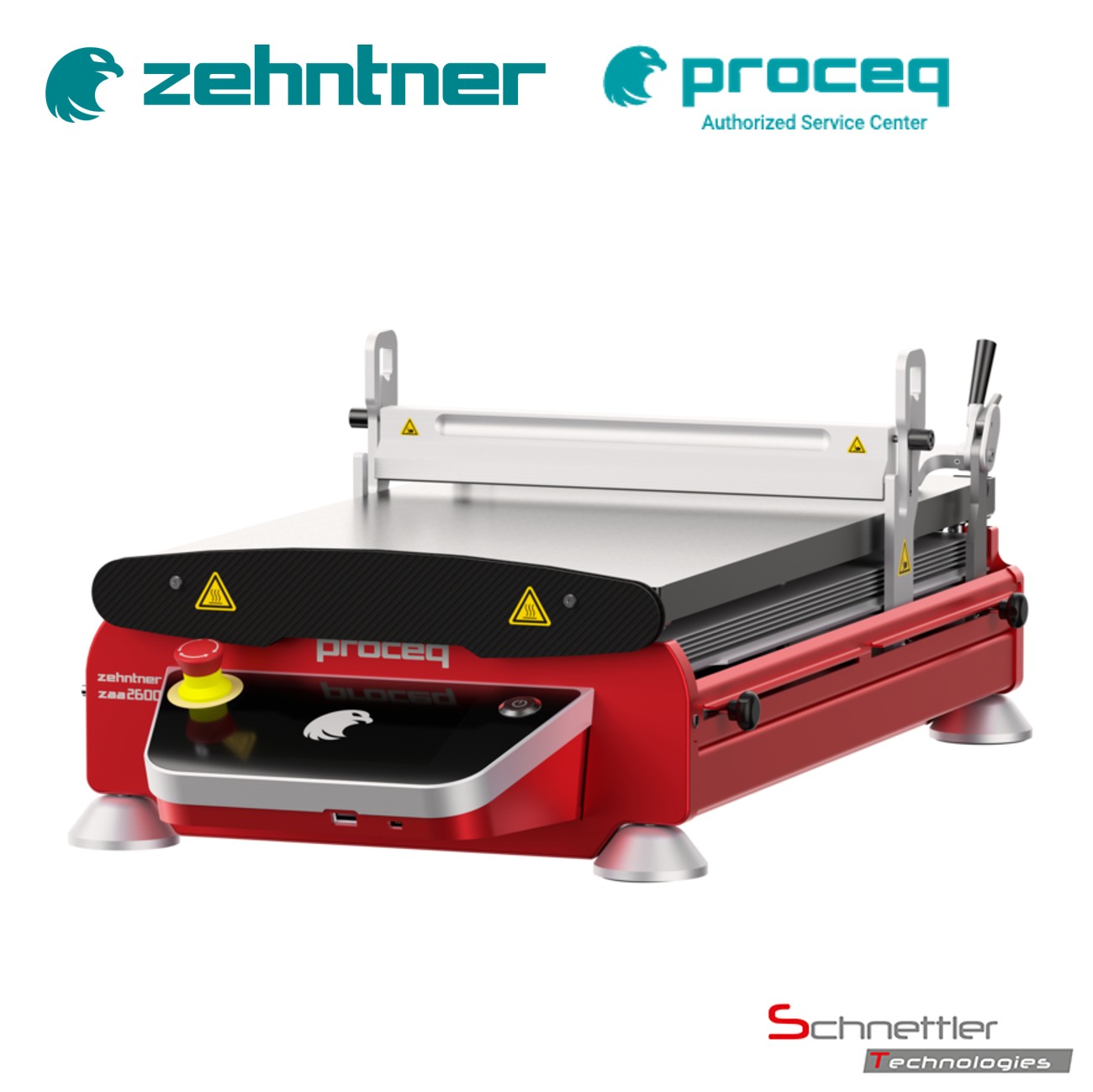
  • Heating plate: temperature-controlled film application at temperatures up to 150 °C
  • Heated vacuum plate: combines flat substrate fixation with controlled temperature

Vacuum plates with different hole diameters are available for particularly thin or sensitive substrates. Smaller suction holes can reduce the risk of visible impressions or localized deformation.

ZAA 2300 or ZAA 2600?

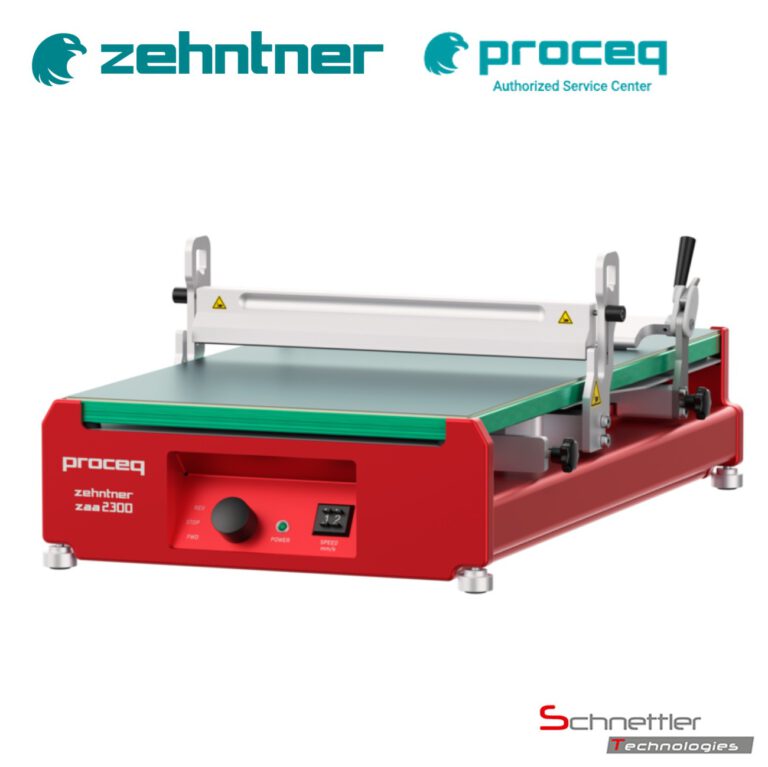
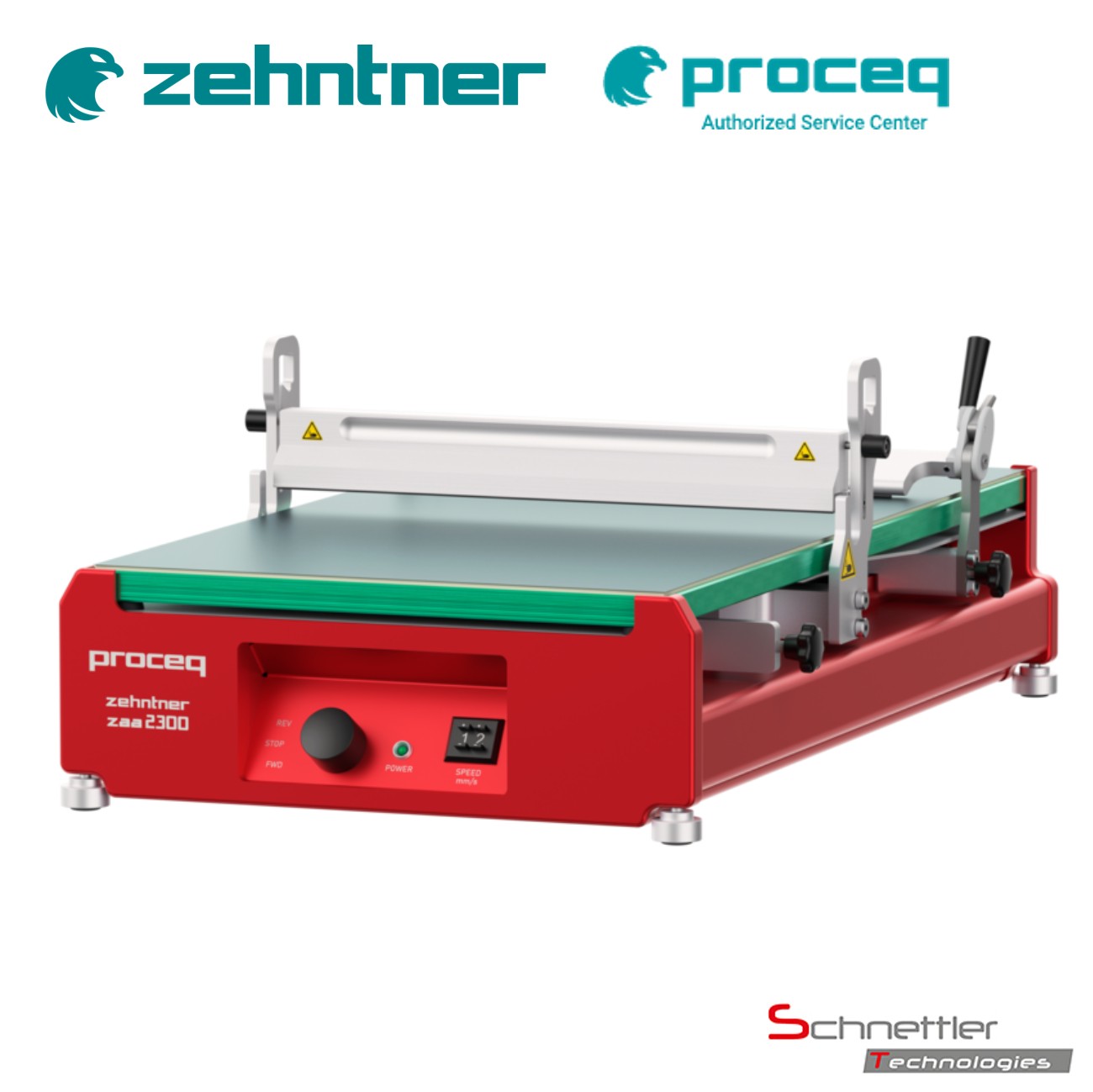
  • 43010200 / ZAA 2300: automatic film applicator for reproducible standard applications
  • 43010201 / ZAA 2300.F: medium-speed version for higher drawdown speeds
  • 43010202 / ZAA 2300.FF: high-speed version for particularly fast film drawdowns
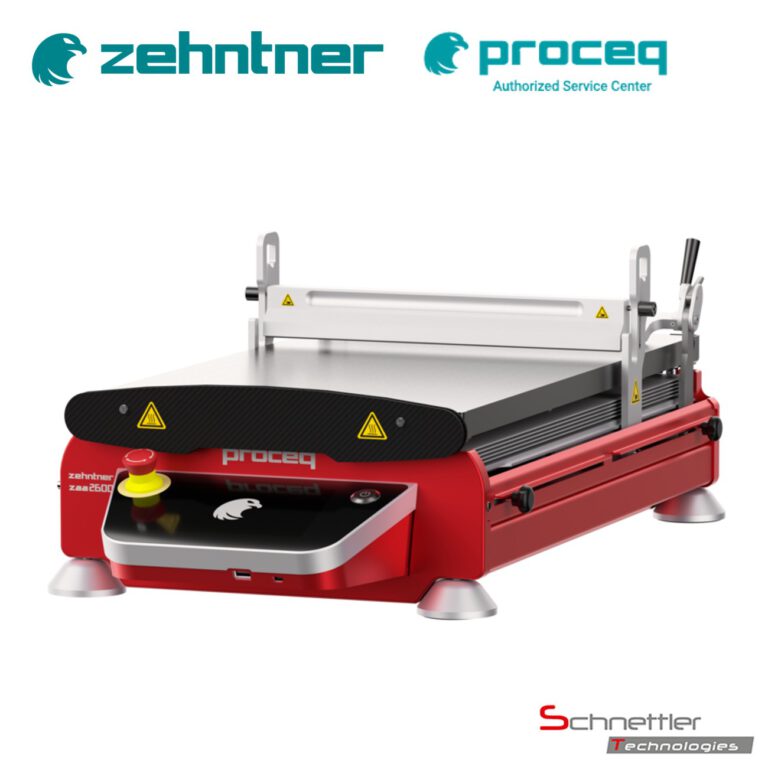
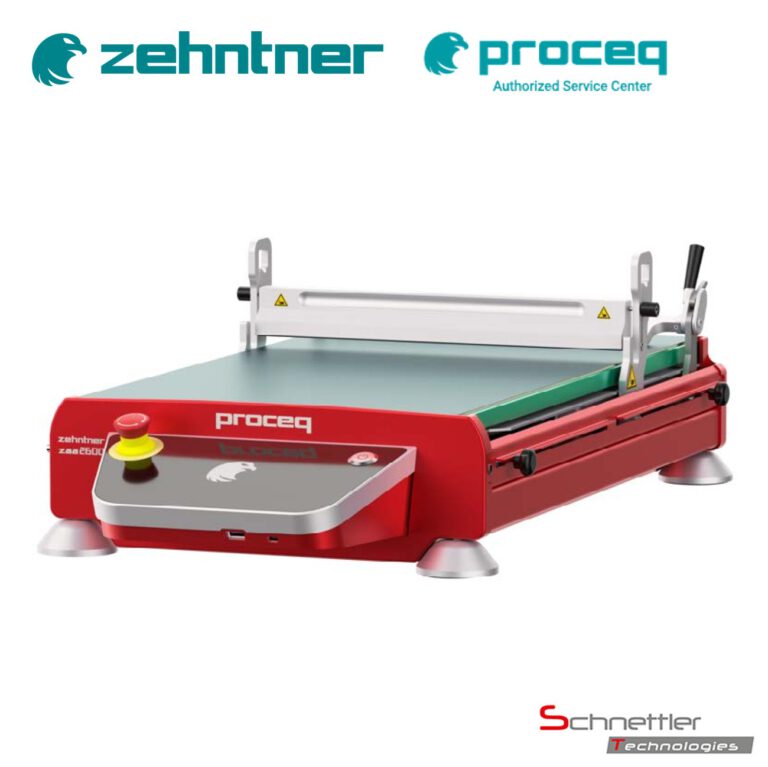
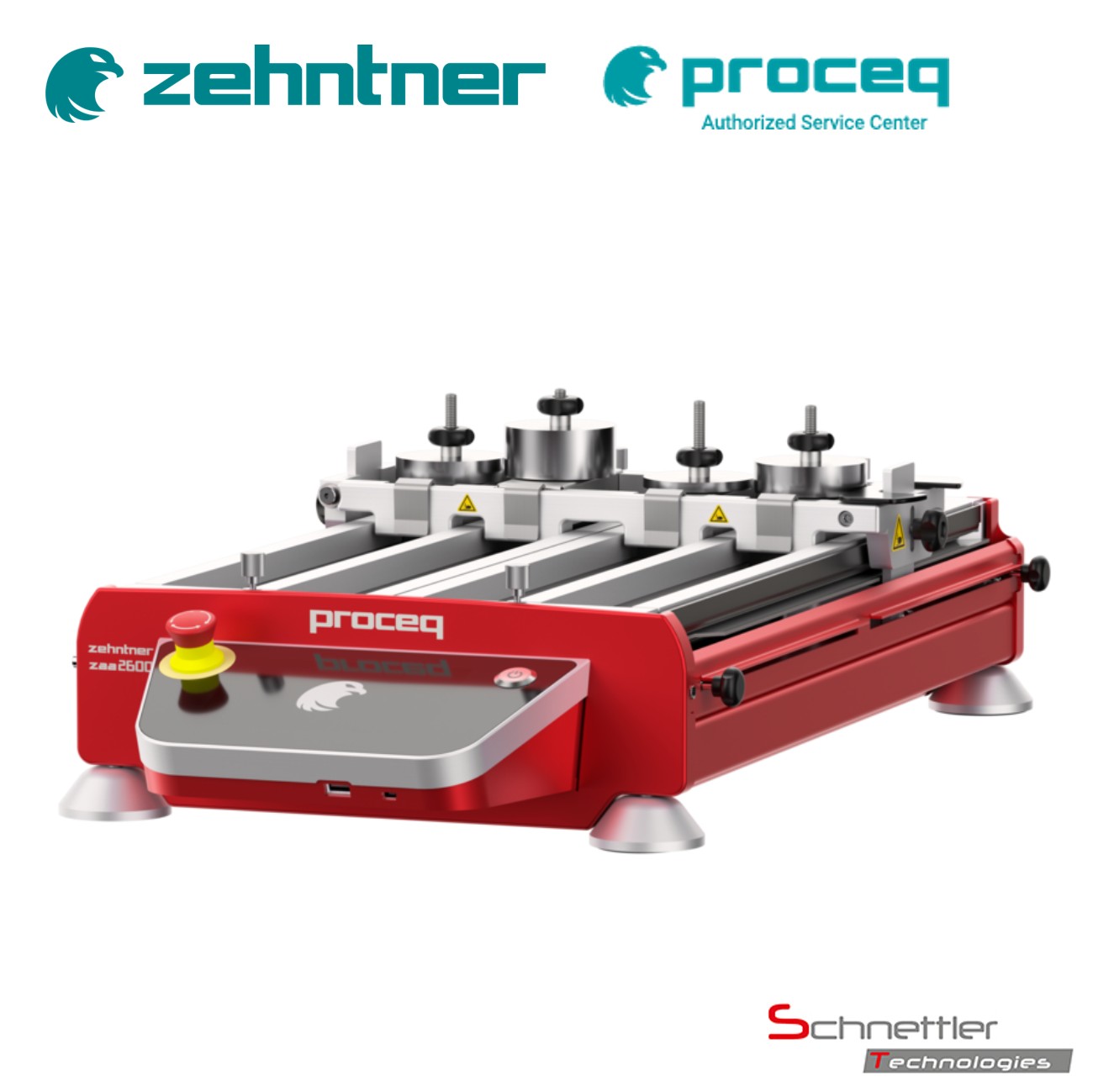
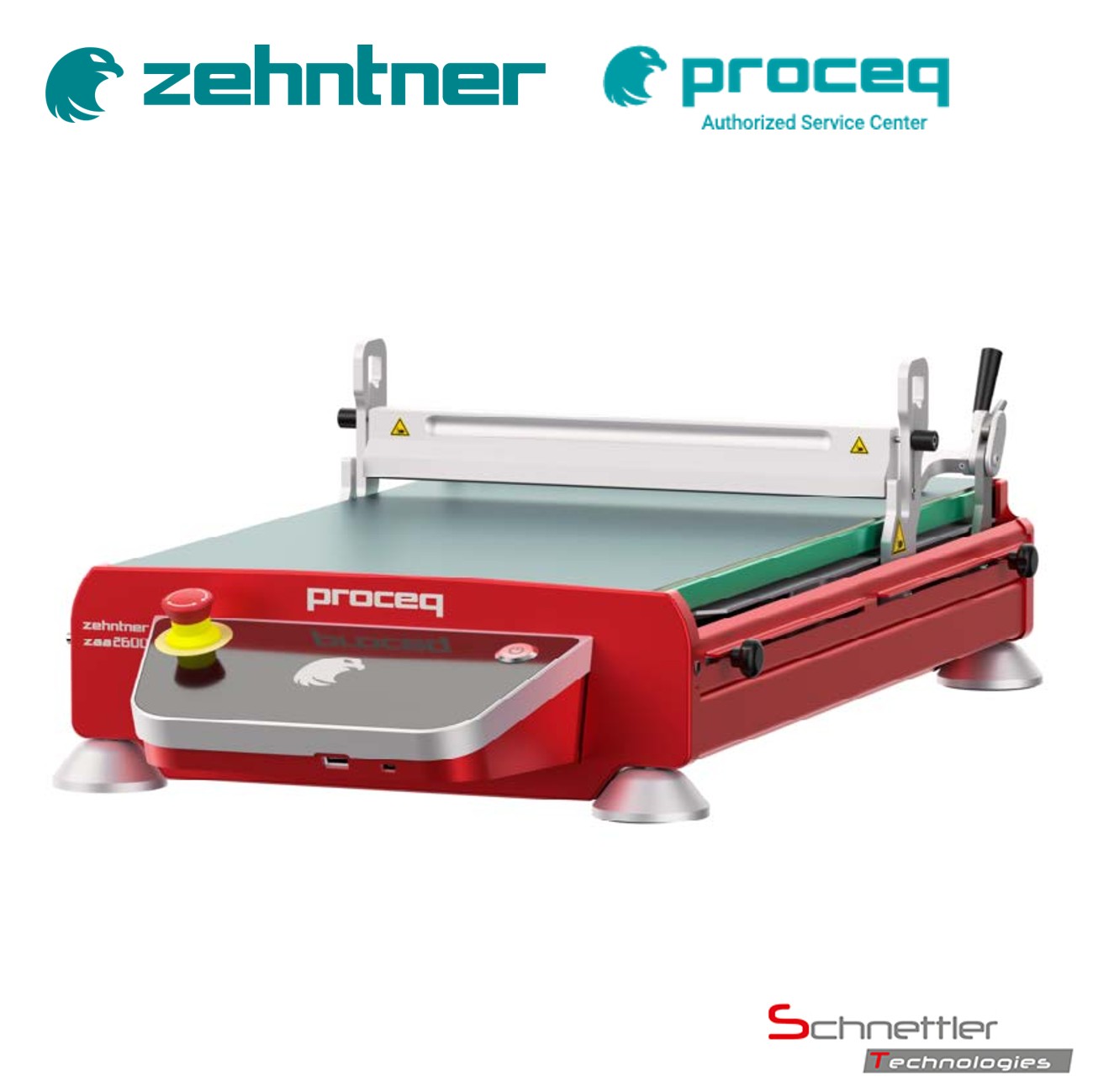
  • 43010100 / ZAA 2600.A: automatic film applicator with touchscreen control and storable application profiles
  • 43010101 / ZAA 2600.HA: heated version for heating and vacuum plates up to 150 °C
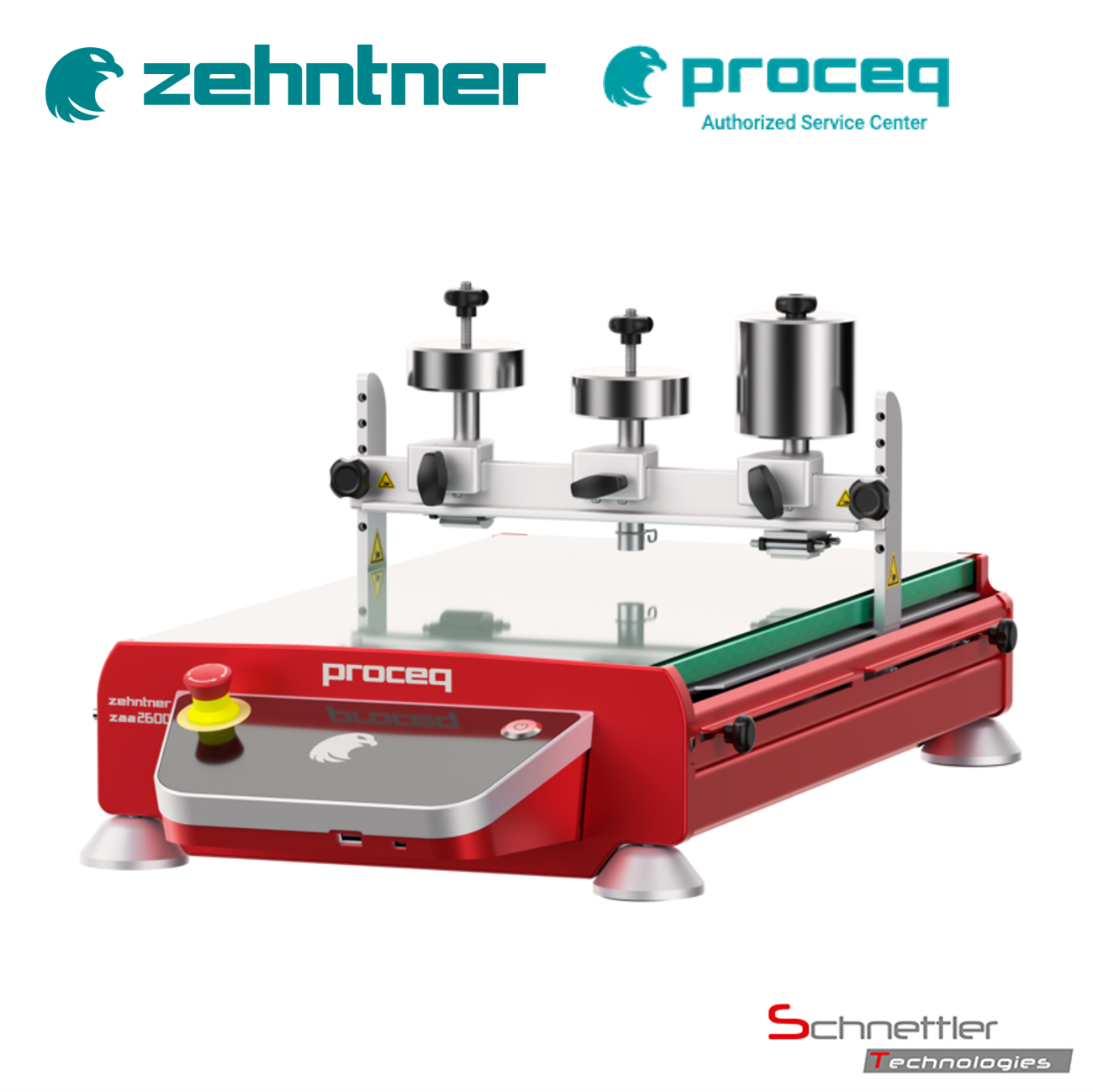
  • ZAA 2600 platform: modular expansion for Crockmeter, scrub and additional testing tasks

Selecting the appropriate automatic film applicator

The main selection criteria are the coating material, viscosity, substrate size, required film width, drawdown speed and special requirements such as vacuum fixation or heating.

  • Material: consider viscosity, flow behavior and solids content
  • Substrate: determine its size, thickness, flexibility and surface properties
  • Film width: select a suitable applicator and usable working width
  • Drawdown speed: determine the required speed range
  • Fixation: select a glass, rubber-coated fabric or vacuum plate to suit the substrate
  • Temperature: determine whether a heating plate or heated vacuum plate is required
  • Test series: consider touchscreen control and storable profiles for recurring applications

Selection note: Tell us the material, substrate size, required film width, drawdown speed and any special requirements. We will recommend the appropriate automatic film applicator, drawdown tool and base plate.