Applicators, Drawdown Bars & Frames

Applicators, drawdown bars and frames for defined film drawdowns
You are here:

Film Drawdowns and Test Films

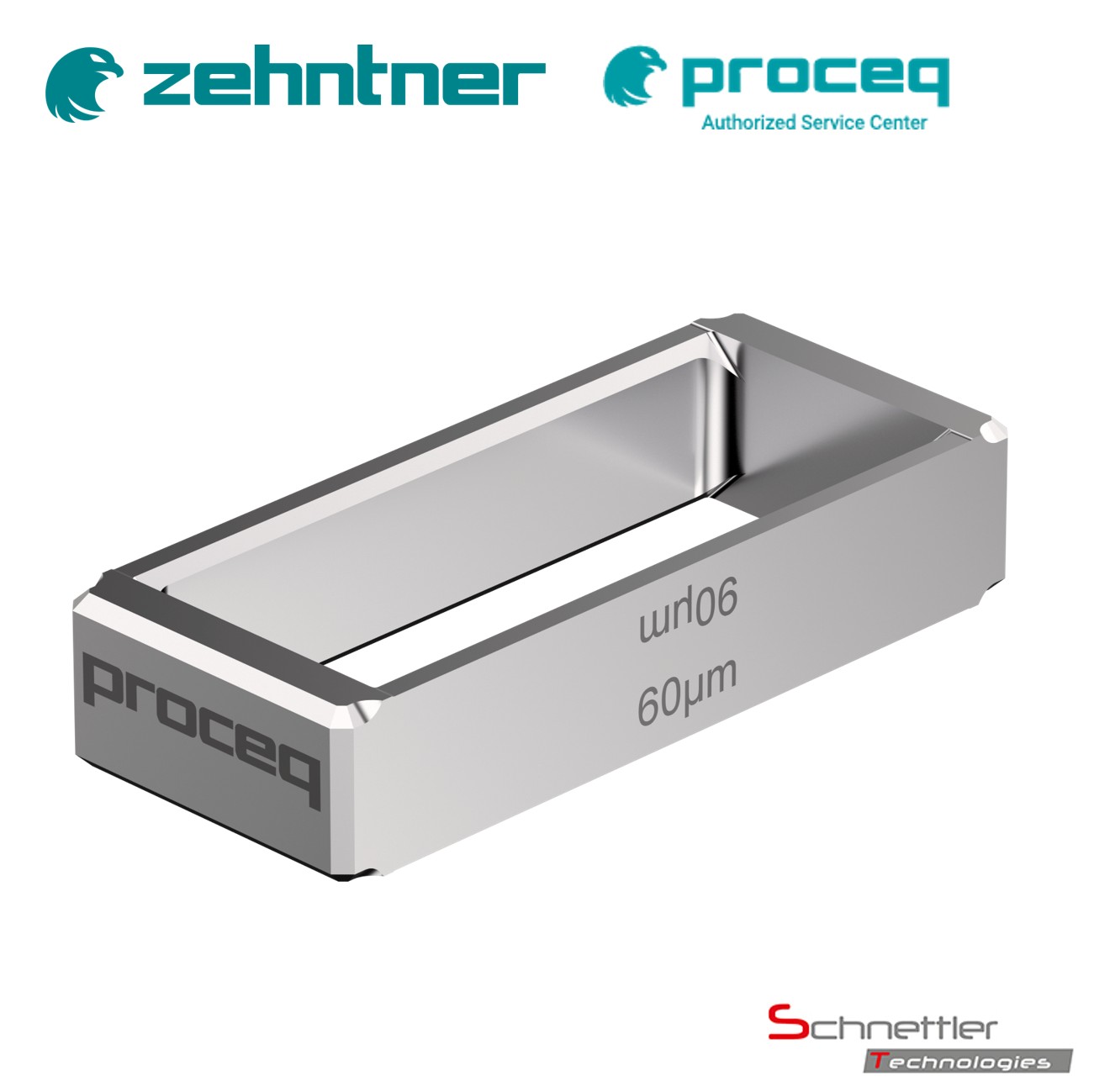
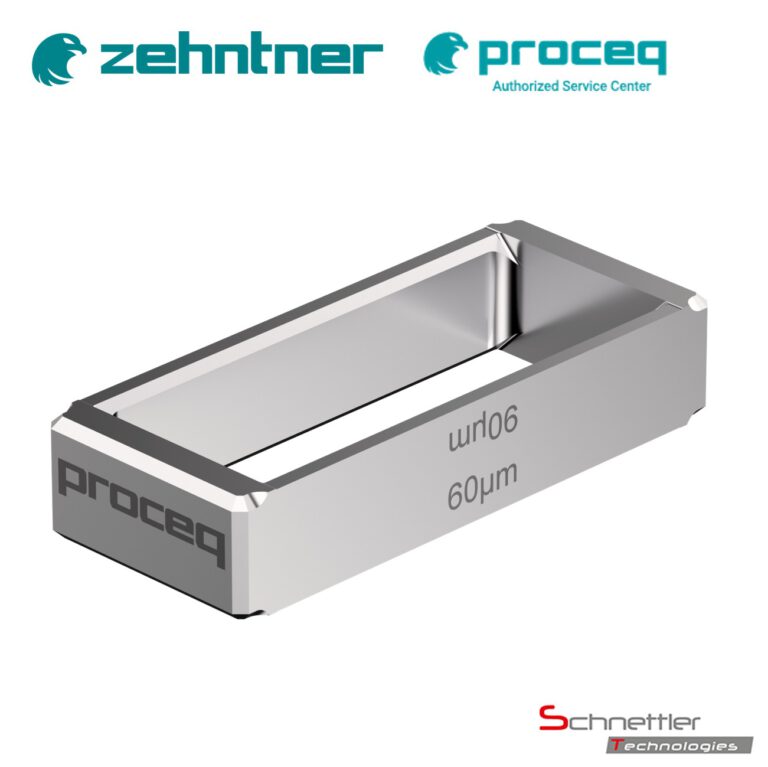
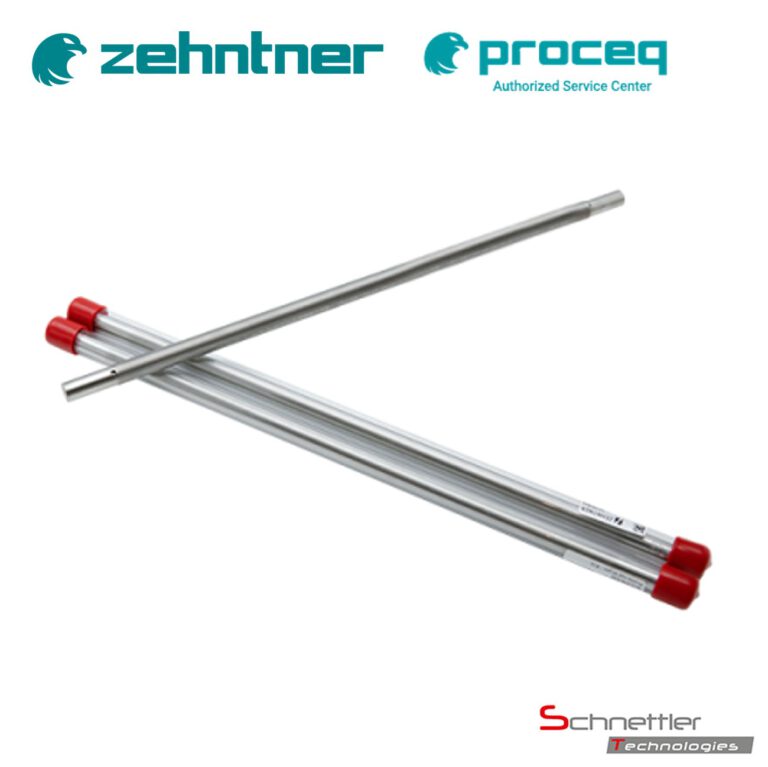
Applicators, drawdown bars and frames are tools used for the controlled preparation of defined film drawdowns from paints, varnishes, coating materials, adhesives and similar products. The range includes profile rods, wire-wound film applicator rods, universal applicators and four-sided film applicators.

The selected applicator determines factors including film width, application geometry and nominal wet-film thickness. In automatic applications, an automatic film applicator additionally provides controlled movement at a consistent drawdown speed.

The appropriate combination of applicator, substrate, working surface and drawdown movement provides the basis for comparable test films in laboratories, quality assurance and research and development.
Products

What are applicators and drawdown tools used for?

  • Preparation of defined and reproducible test films
  • Quality control and preparation of comparable test specimens
  • Formulation, material and process comparisons
  • Development and optimization of new coating systems
  • Application of paints, varnishes, adhesives and functional layers
  • Specimen preparation according to defined standards and test procedures

Benefits at a glance

  • Reproducible: defined geometries for comparable film drawdowns
  • Flexible: different film widths, gap heights and wet-film thicknesses available
  • Efficient: fast preparation of specimens and comparative test series
  • Versatile: suitable for manual use or automatic film applicators
  • Practical: suitable for laboratories, quality assurance, production and development
  • Adaptable: selection according to material, substrate and testing task

Which applicator is suitable?

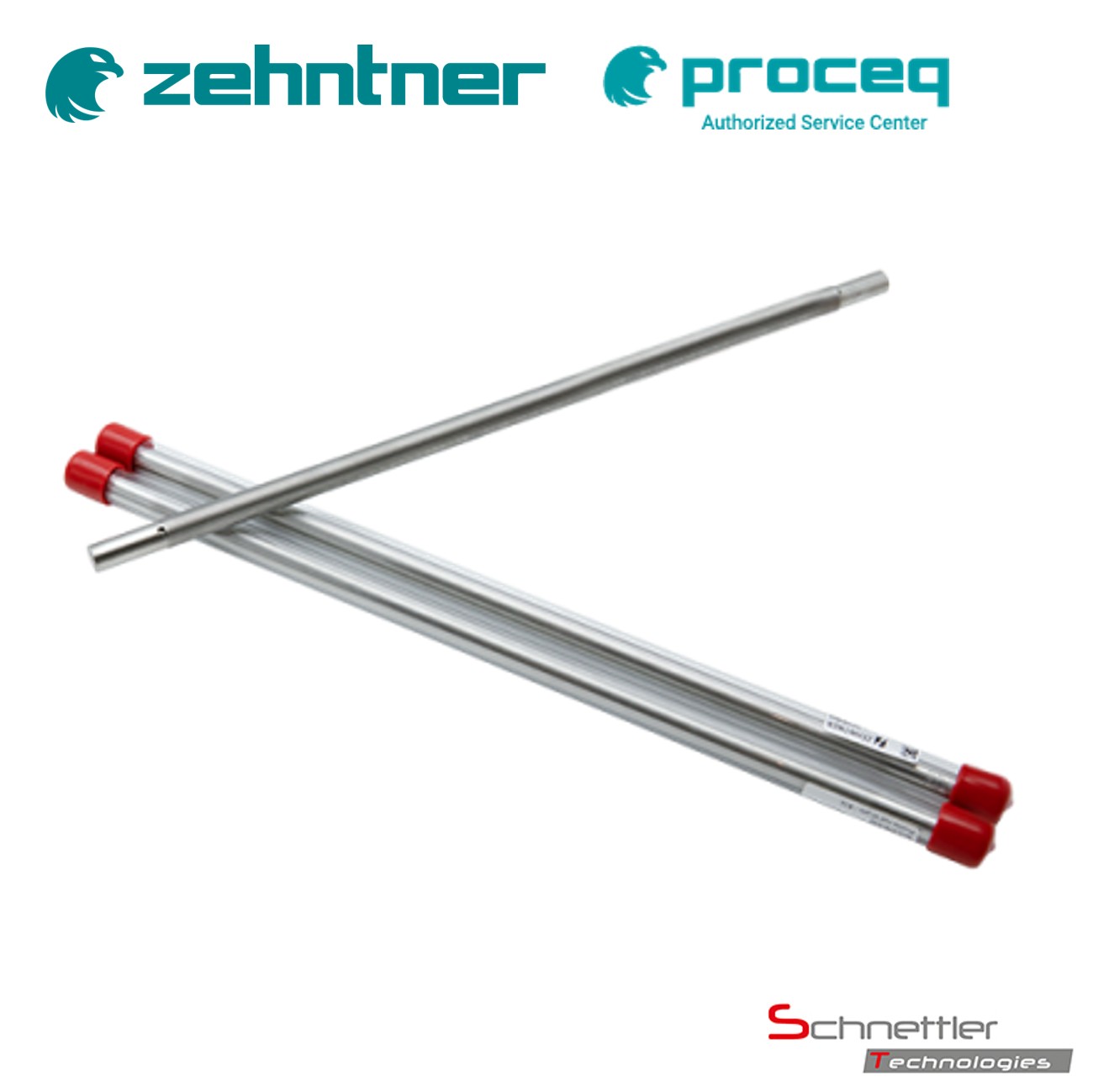
  • 43010997–43011030 / ACC378 profile rods: fixed profile sizes from 4.57 to 171.45 µm
  • 43011031–43011039 / ACC586 wire-wound film applicator rods: nominal wet-film thicknesses from 25 to 250 µm
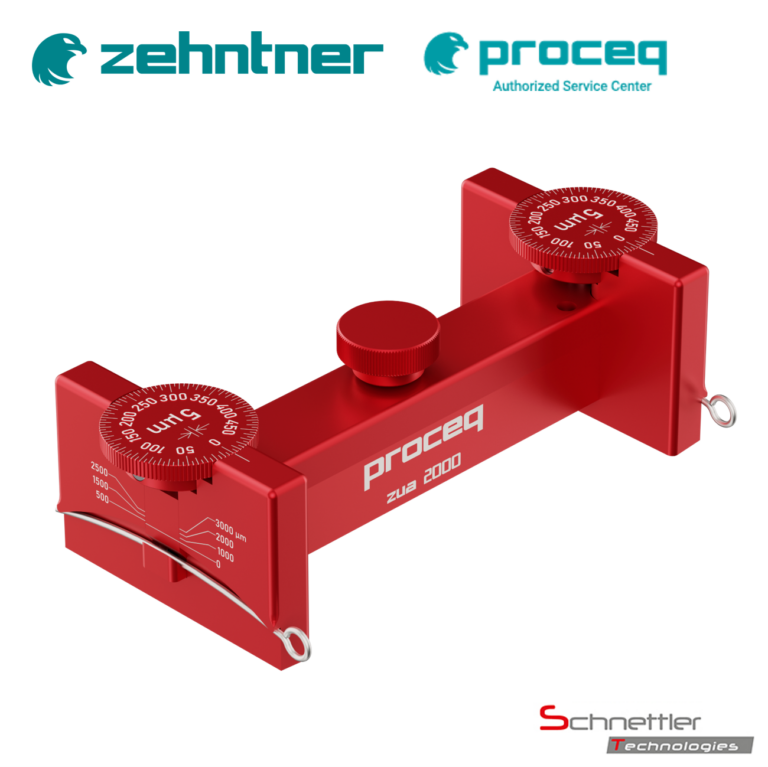
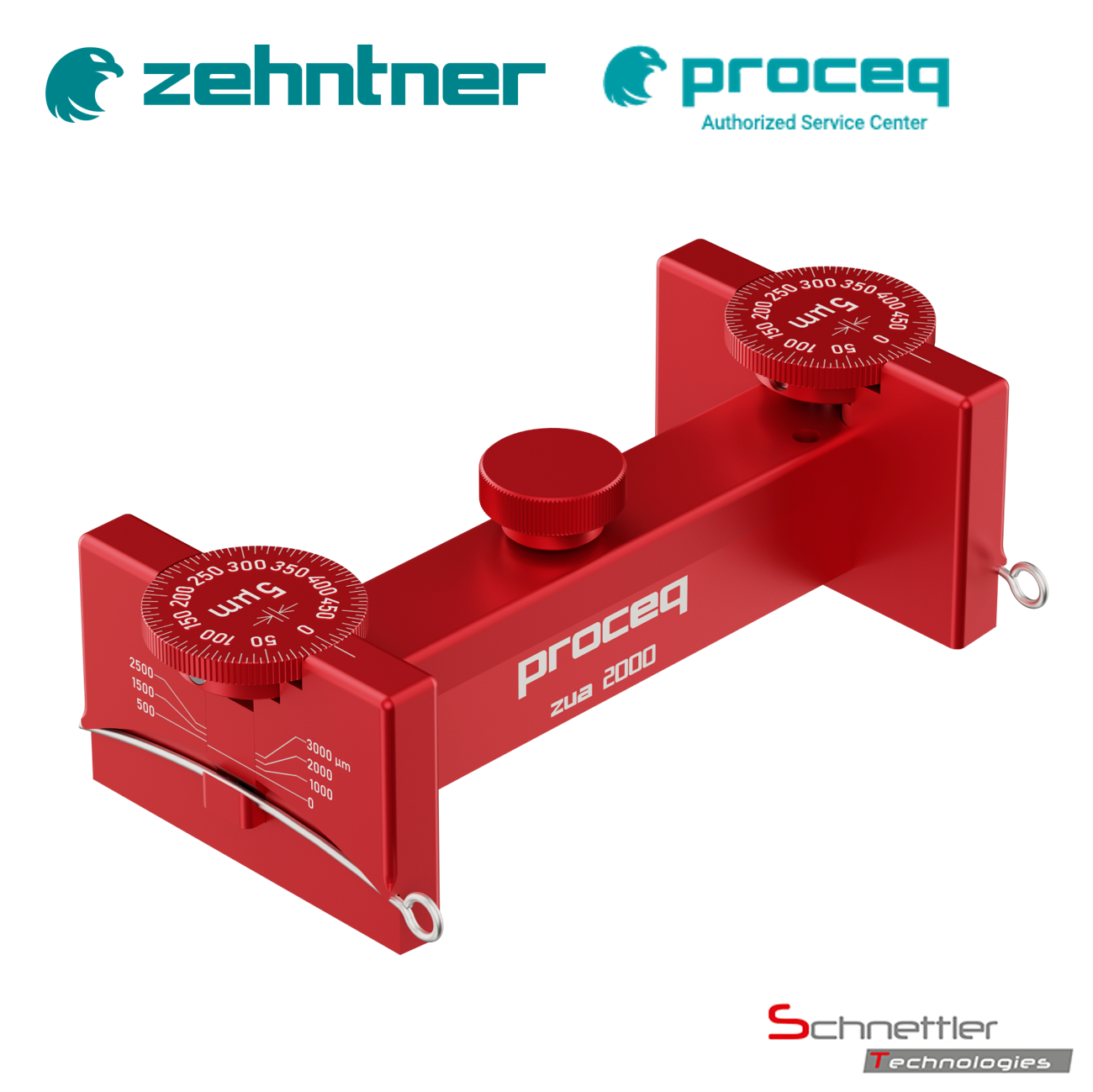
  • 43020100–43020105 / ZUA 2000 universal applicators: adjustable gap height and film widths from 60 to 220 mm
  • 43020300, 43020301, 43020303 and 43020304 / ZAF 2010: four-sided film applicators with four fixed gap heights

Manual or automatic film application?

Depending on the version, applicators can be drawn manually over the substrate or combined with an automatic film applicator. Automatic application reduces the influence of changing drawdown speed, acceleration and uneven movement. This improves the comparability of the resulting test films.

ZAA 2300

Automatic film applicator for reproducible standard applications.

  • Three speed versions
  • Robust mechanical operation
  • Glass, rubber-coated fabric, vacuum and heating plates

View ZAA 2300 →

ZAA 2600.A

Modular film applicator with touchscreen control and storable application profiles.

  • Continuously adjustable drawdown speed
  • Storable settings
  • Expandable for additional test procedures

View ZAA 2600.A →

ZAA 2600.HA

Automatic film applicator for temperature-controlled applications.

  • Heating and vacuum plates up to 150 °C
  • Suitable for temperature-dependent materials
  • Touchscreen control and storable profiles

View ZAA 2600.HA →

Working surfaces and substrate fixation

  • Glass plate: rigid and flat surface for numerous standard applications
  • Rubber-coated fabric plate: slightly resilient surface for suitable applicators and substrates
  • Vacuum plate: secure fixation of thin and flexible substrates
  • Heating plate: temperature-controlled film drawdowns up to 150 °C
  • Heated vacuum plate: combines substrate fixation with controlled temperature

Selecting the appropriate applicator

The main selection criteria are film width, required film drawdown, material properties, substrate and application method.

  • Wet-film thickness: consider the target value and nominal applicator geometry
  • Film width: select a version suitable for the specimen and available working area
  • Material: consider viscosity, flow behavior and solids content
  • Substrate: consider size, thickness, flexibility and surface properties
  • Working surface: select a glass, rubber-coated fabric or vacuum plate to suit the substrate
  • Application: determine whether the film drawdown will be manual or automatic
  • Temperature: consider heated plates for temperature-dependent materials

Selection note: Tell us the material, substrate, required film width and target wet-film thickness. We will recommend the appropriate combination of applicator, automatic film applicator and working surface.